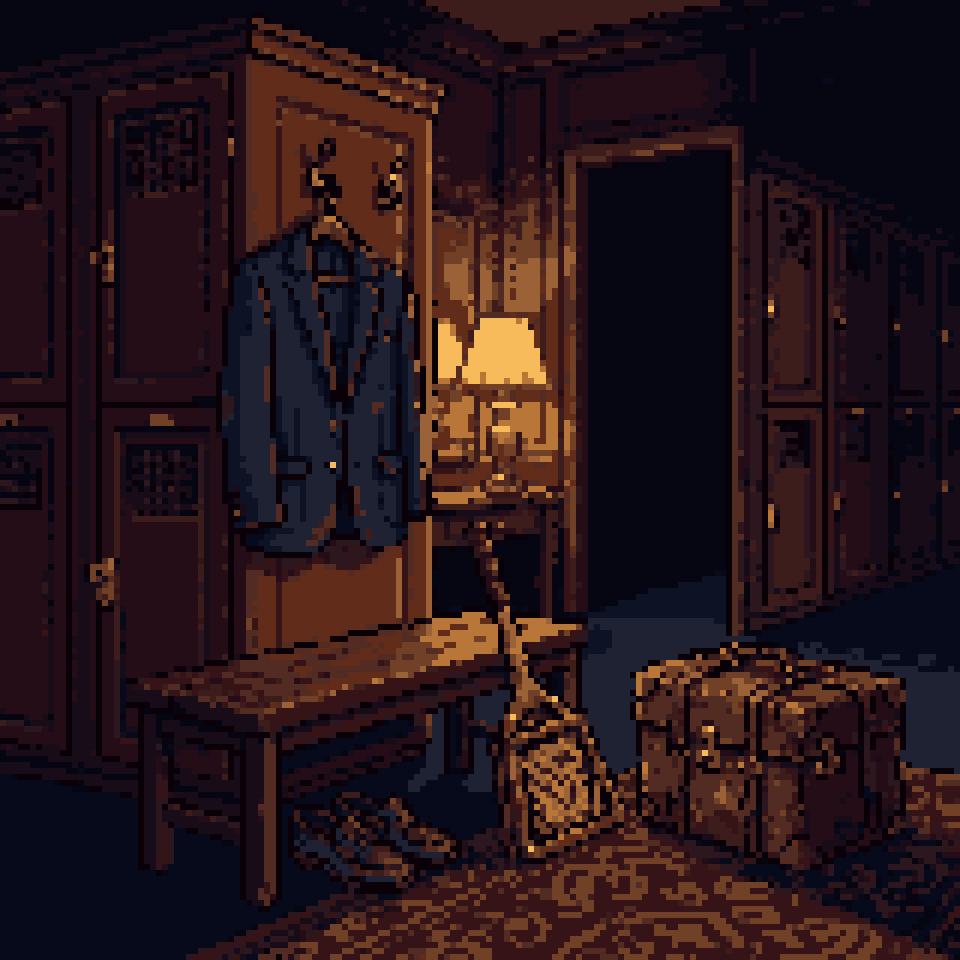
Old Money Aesthetic
dressing like you've never had to think about money is itself a flex
Grounded in the research on Wikipedia: Old money; Thorstein Veblen, The Theory of the Leisure Class (1899); Pierre Bourdieu, Distinction (1979)
the move
Old money aesthetic is dressing to signal inherited wealth instead of new wealth. No logos, no flash. Navy, cream, loafers, an unbranded watch, a barn jacket that looks beat-up on purpose. The whole point: look like money was never a question, never a goal. It's a costume that says 'I don't need you to know I'm rich,' which is its own loud way of telling you.
the first effect
Thorstein Veblen named the engine in 1899: conspicuous consumption. But old money flips it. The real elite stopped flexing price tags because anyone with a paycheck can buy a logo. So they signal with restraint instead. Veblen also called this 'conspicuous leisure' — looking like you don't grind. Quiet beats loud once loud gets cheap. That's why the aesthetic reads as classy: it's scarcity, not taste.